Agriculture forms the backbone of rural economies, yet traditional farming methods often limit productivity and income potential. Krishi Welfare is committed to transforming this scenario by empowering farmers through scientific farming practices. By combining knowledge, technology, and community engagement, farmers can achieve higher yields, reduce losses, and enhance their overall livelihoods.
Scientific farming revolves around data-driven decision making. Soil testing, crop rotation, and precision nutrient management ensure that plants receive the right resources at the right time. Farmers are trained to monitor soil moisture, nutrient levels, and pest infestations systematically, reducing waste and optimizing farm outputs. Krishi Welfare facilitates this process by providing training sessions, workshops, and easy-to-use guides for practical implementation.
Integrated pest management (IPM) is another critical aspect of scientific farming promoted by Krishi Welfare. By using biological pest control methods, natural predators, and environmentally safe pesticides, farmers can protect crops without harming the soil or surrounding ecosystems. This reduces dependence on chemical fertilizers and pesticides, promoting healthier produce and more sustainable farming practices.
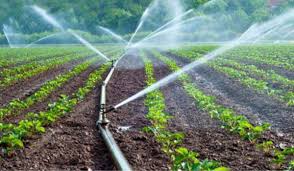
Efficient irrigation systems, such as drip irrigation and sprinkler methods, are essential in water-scarce regions. Krishi Welfare helps farmers design irrigation schedules, calculate water requirements, and adopt technologies that conserve water while improving crop growth. These methods reduce labor costs, save energy, and ensure consistent crop quality, even in challenging climatic conditions.
The initiative also encourages farmers to adopt modern mechanization for various farm operations, from sowing to harvesting. Mechanized tools reduce labor intensity, increase efficiency, and allow farmers to expand their cultivated area without proportionally increasing costs. Krishi Welfare collaborates with agricultural machinery providers and government schemes to make these solutions accessible to small and marginal farmers.